How to Set Boundaries With Grandparents Around Diet Culture and Negative Food Talk
Becoming a mom can change the way you hear conversations about food and bodies.
Comments you may have brushed off before suddenly feel different.
“Do you really need another helping?”
“I’m being bad today.”
“I need to work this off tomorrow.”
“She’s so skinny!”
“Wow, she really gained a lot of weight!”
“You’re such a good eater for choosing the vegetables.”
Maybe these comments are coming from your parents, your in-laws, or other family members you love.
And now you’re wondering:
How do I set boundaries around diet culture without creating conflict with my family?
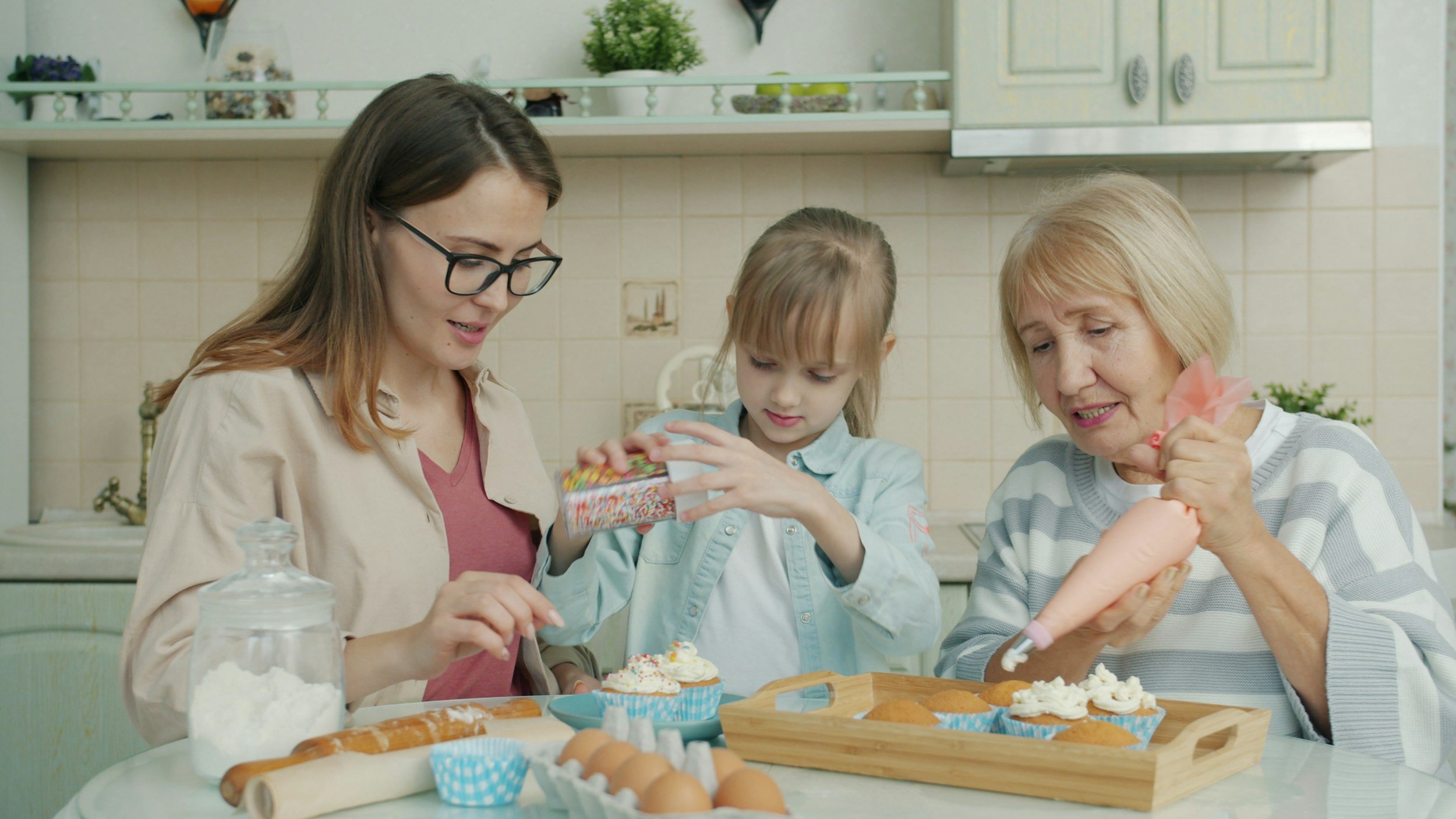
If you’re working on healing your own relationship with food while also trying to raise children who feel safe, confident, and connected to their bodies, this can be incredibly complicated.
You may want to protect your children from diet culture.
You may also recognize that your parents grew up with very different messages about food, weight, and health.
You might worry about hurting their feelings, creating tension, or being seen as “too sensitive.”
The good news is that setting boundaries doesn’t have to mean controlling everything your family says or cutting people out of your life.
It can simply mean being clear about the kind of environment you’re trying to create for your children—and asking the people who spend time with them to help you protect it.
Why Comments About Food and Bodies Matter
Children are constantly learning from the adults around them.
They notice how we talk about our bodies.
They hear when adults describe themselves as “good” or “bad” based on what they ate.
They learn which foods seem to be celebrated, restricted, feared, or associated with guilt.
They also notice when appearance and body size become frequent topics of conversation.
A single comment from a grandparent is unlikely to determine your child’s relationship with food.
But repeated messages can shape the way children begin to understand food, bodies, and their own worth.
This is why creating boundaries around diet talk, body comments, and negative food language can be an important part of raising children with a more peaceful relationship with food.
Start by Deciding What Actually Matters to You
Before having a conversation with your parents or in-laws, it can help to get clear about the specific behaviors you want to address.
You do not need to create a long list of rules.
Instead, consider the messages you want your children to hear most often in your home.
Maybe you want to avoid:
Talking about dieting or intentional weight loss in front of your children.
Labeling foods as “good,” “bad,” “healthy,” “unhealthy,” “junk,” or “guilty pleasures.”
Commenting on your child’s weight, body size, or appearance.
Commenting on other people’s bodies or weight changes.
Pressuring your child to eat more, eat less, clean their plate, or take “just one more bite.”
Using dessert as a reward for eating vegetables or finishing dinner.
Praising children for eating less or choosing the “healthiest” option.
The goal isn’t to create a perfectly controlled environment.
It’s to identify the conversations and behaviors that matter most to your family.
How to Talk to Your Parents About Diet Culture
If possible, have the conversation when everyone is calm—not in the middle of a meal or immediately after someone makes a frustrating comment.
You might say:
“I know food and body conversations were handled differently when I was growing up, but we’re trying to create a different environment around food for our kids. We’re working on keeping conversations about dieting, weight loss, and people’s bodies away from them.”
Or:
“We’re trying to help the kids learn to listen to their own hunger and fullness cues, so we’re asking everyone not to pressure them to eat more or less at meals.”
You can also acknowledge that changing language around food may take time.
“I know some of these comments are habits and you might not even realize you’re saying them. I’m not expecting perfection. I just want you to understand what we’re working toward as a family.”
The goal of the conversation is not necessarily to convince your parents to completely change their own beliefs about food.
You are simply communicating what you want modeled around your children.

Scripts for Setting Boundaries Around Food and Body Comments
Sometimes knowing what to say in the moment is the hardest part.
Here are a few phrases you can use.
If someone comments on your child’s body:
“We’re trying not to comment on the kids’ bodies or weight.”
“We want them to know their bodies aren’t something other people need to evaluate.”
If someone comments on your body:
“I’d rather not talk about my body or weight.”
“I’m working on keeping body comments out of our conversations, especially around the kids.”
If someone labels food as good or bad:
“We’re trying not to put foods into good and bad categories.”
“We talk about food in a more neutral way with the kids.”
If someone pressures your child to eat:
“We’re letting them decide how much they want to eat from what’s available.”
“They don’t need to take another bite.”
If someone says your child has to eat dinner before having dessert:
“We’re trying not to use dessert as a reward for eating other foods.”
If someone continues making comments after you’ve already asked them to stop:
“I know this may feel different from how you raised us, but this is important to me. I need you to respect this boundary around the kids.”
You do not need to deliver a perfect explanation every time.
Sometimes a short, calm interruption is enough.
What If My Parents Think I’m Overreacting?
You may hear things like:
“We said those things to you and you turned out fine.”
“You can’t protect them from everything.”
“You’re making food too complicated.”
“They need to learn how to eat healthy.”
This can be frustrating, especially if you are already working through your own history with food and body image.
You do not need everyone in your family to agree with your parenting decisions before you’re allowed to have boundaries.
You can simply say:
“I understand that you see it differently. This is still something that’s important to us.”
Or:
“You don’t have to agree with our approach, but I do need you to respect how we’re handling food and body conversations with the kids.”
Boundaries are not about forcing another person to change their beliefs.
They are about communicating what you will allow, reinforce, and participate in around your children.
Remember: You Are Your Child’s Most Consistent Influence
Your children will hear diet culture.
They may hear it from relatives, friends, teachers, coaches, social media, television, and countless other places.
You cannot prevent every negative comment about food or bodies.
And you don’t have to.
What matters is that your children have a safe place to come back to.
They can learn that food does not determine whether they are good or bad.
They can learn that bodies naturally come in different shapes and sizes.
They can learn that they are allowed to eat when they are hungry and stop when they are satisfied.
They can learn that health is more complex than appearance or body size.
And they can learn that their bodies deserve care and respect—not constant criticism or control.
The conversations happening consistently in your home matter.
What to Say to Your Child When Someone Makes a Diet Culture Comment
Even with boundaries, comments will happen.
You can use those moments as opportunities to help your child think critically about the messages they hear.
If someone says:
“Cookies are bad for you.”
Later, you might say:
“Grandma called cookies bad, but in our family we don’t think foods are good or bad. Different foods do different things for our bodies, and cookies can also be something we eat because they taste good and bring us joy.”
If someone comments on another person’s body, you might say:
“People talk about bodies a lot, but we don’t know anything about someone’s health or life just by looking at their body.”
These small conversations can help children build the skills they need to navigate diet culture as they grow.

You Don’t Have to Do This Perfectly
You might freeze when someone makes a comment.
You might not know what to say until hours later.
You might avoid a conversation because you’re worried about upsetting your parents.
You might even notice yourself repeating some of the same diet culture messages you’re trying to move away from.
Changing generations of beliefs about food and bodies takes time.
You do not need to eliminate every diet culture message from your child’s life.
You can continue practicing different language.
You can repair when something doesn’t go the way you hoped.
You can set clearer boundaries when needed.
And you can continue creating a home where your children learn to trust their bodies, experience flexibility around food, and know that their worth has never depended on what they eat or what their bodies look like.
Looking for Support With Your Own Relationship With Food?
Trying to raise children with a healthy relationship with food can bring up a lot about your own experiences with dieting, body image, and food.
You may realize that you’re trying to teach your children to trust their bodies while still struggling to trust your own.
You don’t have to figure this out by yourself.
I provide virtual 1:1 nutrition counseling for moms who want to heal their relationship with food, move away from dieting and rigid food rules, and practice gentle nutrition in a way that actually fits into motherhood and real life.
Together, we can work toward helping you feel more confident around food and in your body—while creating the kind of food environment you want for your family.
Interested in working together? Learn more about 1:1 nutrition counseling or reach out to schedule a discovery call.